
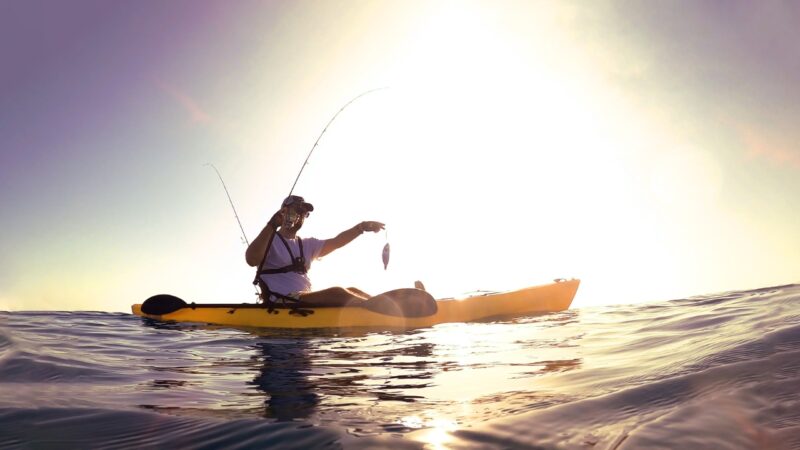

Small fishing boats help anglers reach calm lakes, narrow rivers, backwaters, marshes, ponds, and shallow areas with less cost and less hassle than larger boats.
Many models measure 22 feet or less, and a 20-footer can feel large on small freshwater lakes.
Compact boats are easier to launch, trailer, store, and maintain.
They also cost less to buy, fuel, and repair. Shallow drafts help anglers fish skinny water near shorelines, coves, marsh edges, and river bends.
The best choice depends on water depth, stability, passenger capacity, storage, propulsion, and fishing style.
Lake boat choice also depends on lake size, performance needs, passenger space, and planned use such as fishing, cruising, or watersports.
Boat Type
Key Strengths
Drawbacks
Jon Boats
Cheap, simple, great in shallow water
Poor in chop
Skiffs
Open, maneuverable, shallow draft
Varies by model
Aluminum Fishing Boats
Durable, light, easy to trailer
Wind drift
Fishing Kayaks
Quiet, cheap, trailer-free
Limited space
Bass Boats
Fast, fishing-ready, well-equipped
Expensive
Inflatable Fishing Boats
Portable, easy to store
Set up and puncture risk
Small Pontoon Boats
Stable, roomy, comfortable
Harder to store
1. Jon Boats
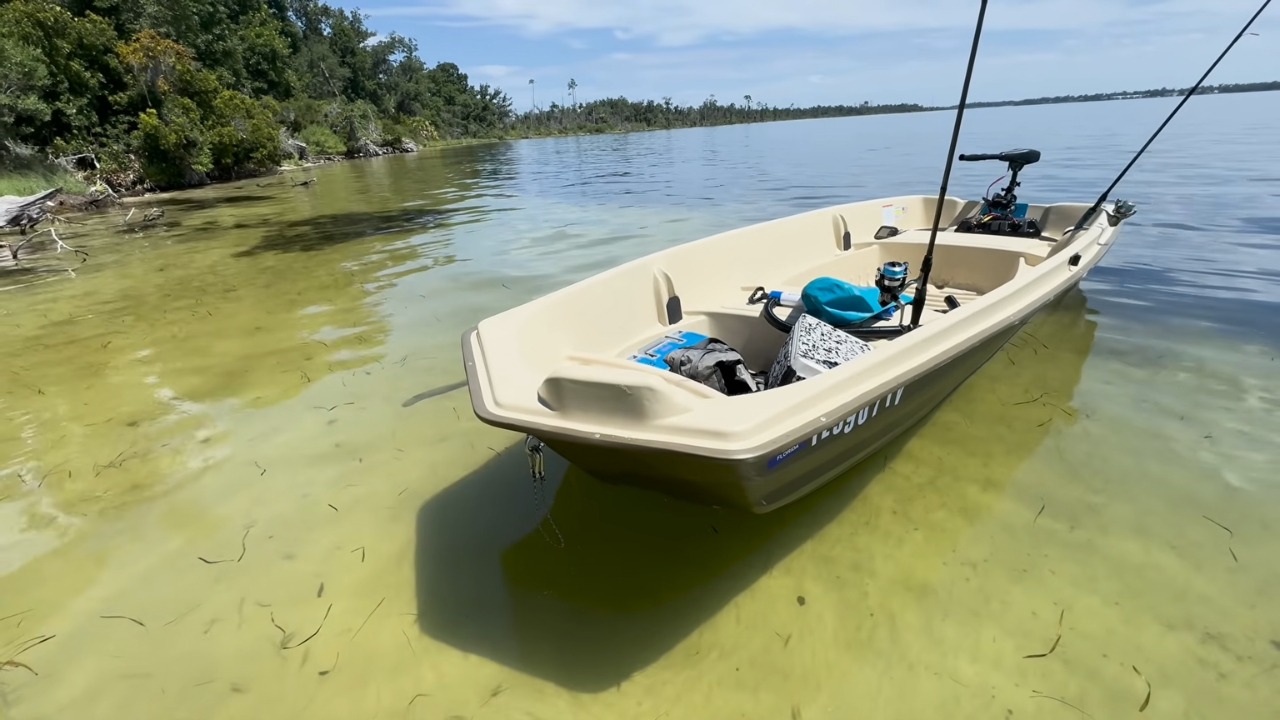
Jon boats are flat-bottomed aluminum boats built for shallow water and simple fishing. Their hull shape lets them run in places many deeper V-hulls cannot reach.
Most jon boats are affordable, lightweight, durable, and easy to move.
Basic models may have only a hull and bench seats, while upgraded versions can include casting decks, storage, rod holders, swivel seats, and trolling motors.
Power can stay simple. A jon boat can use a small outboard, electric trolling motor, or paddles. Some models are light enough to carry in a pickup bed, which can remove trailer needs.
Jon boats are also among the least expensive lake boats and can be bought with or without power.
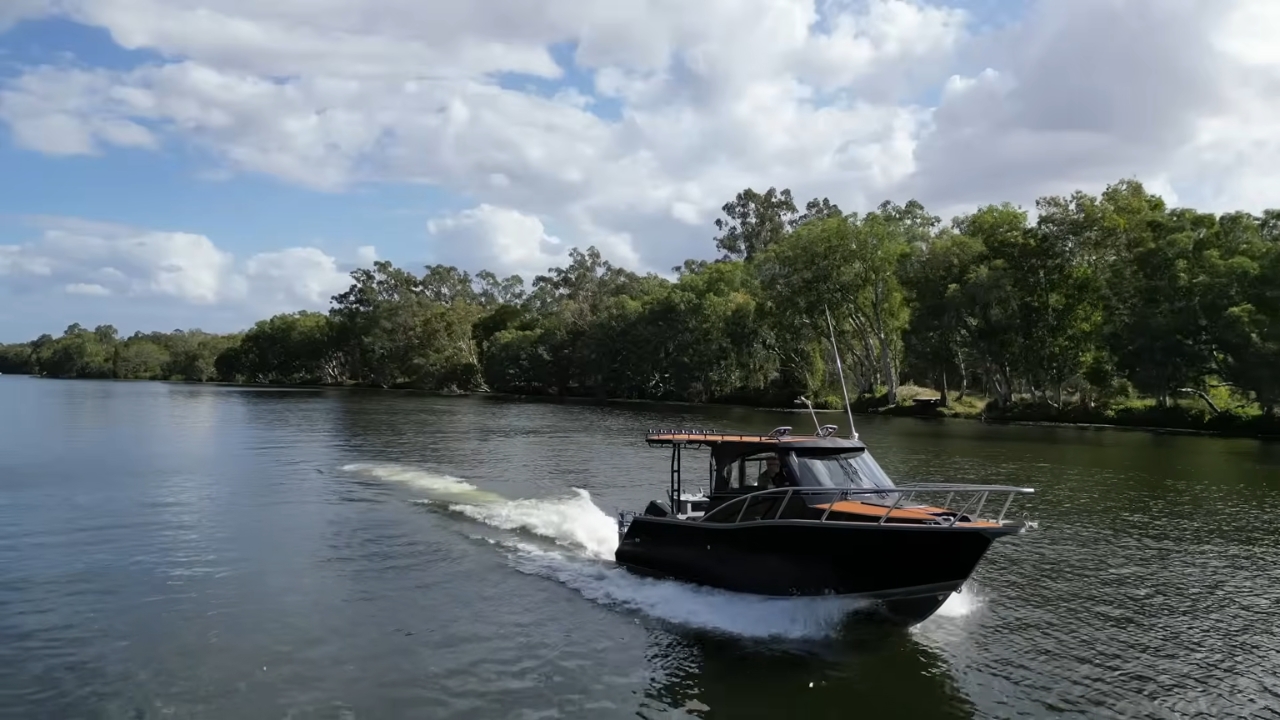
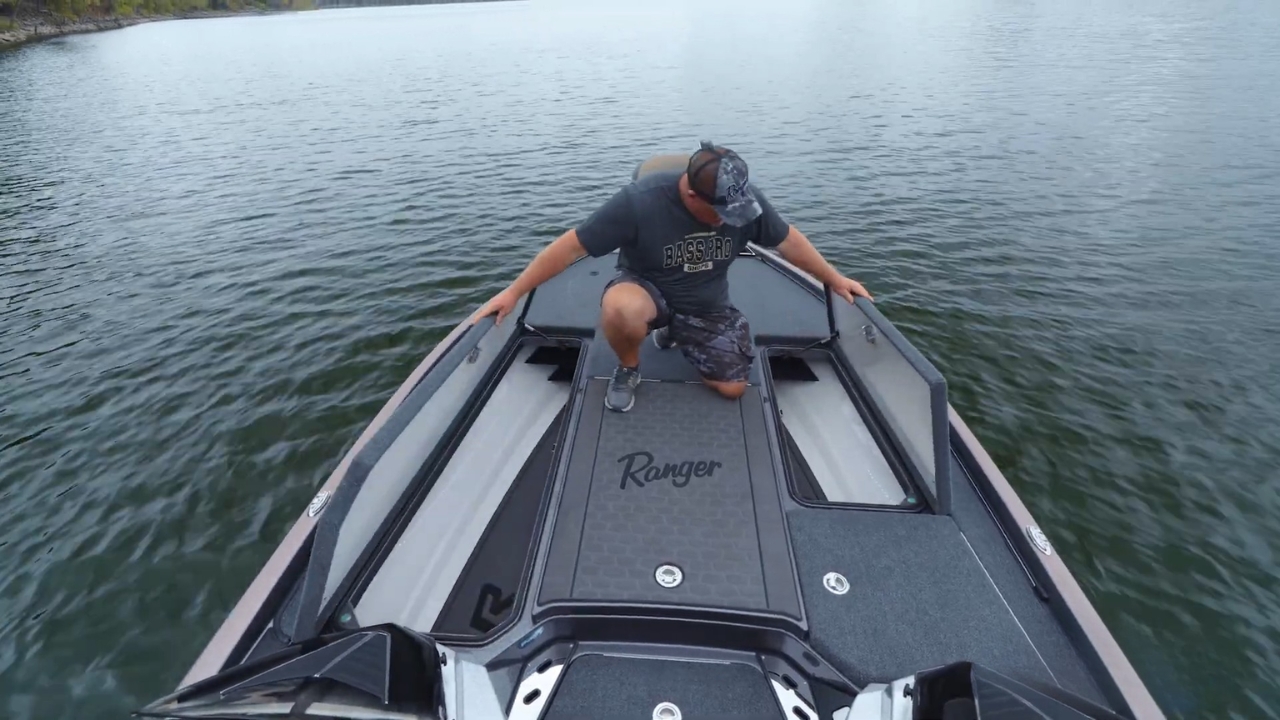
Jon boats are not ideal for rough or choppy water. Flat bottoms can slap in waves, and comfort is limited. Basic models may also lack storage, seating comfort, and built-in fishing features. They work well on shallow flats, estuaries, coastal bays, calm rivers, and protected lake areas. Many skiffs have open layouts that make casting and moving around easy. Lightweight hulls can accelerate quickly and use fuel efficiently. Some models use center-console layouts for better visibility and deck movement. For boaters comparing small craft used near flats, bays, and protected water, material choices such as hypalon fabric may also matter when evaluating inflatable-style tenders, tubes, or repair needs. Skiffs are less specialized than bass boats or dedicated fishing boats. Rough water can be uncomfortable. Capability varies widely by model, so hull design and layout matter. Aluminum fishing boats are durable, practical, lightweight, and strong. Welded or riveted aluminum construction handles regular freshwater use with relatively low maintenance. Compared with fiberglass boats, aluminum boats are lighter and easier to trailer. Many can be towed with a smaller vehicle and handled more easily at ramps. Common features include bench seating, casting decks, rod storage, livewells, and trolling motor mounts. Aluminum also tends to dent instead of shatter after impact, which helps beginners feel more confident. Aluminum boats can drift in wind and may ride less smoothly than heavier fiberglass boats. They usually cost more than basic jon boats and may feel noisier on the water. Fishing kayaks give solo anglers quiet access to ponds, creeks, coves, shallow flats, and tight backwaters. Their stealth helps anglers approach fish without engine noise or heavy wake. Many kayaks can be carried on a roof rack, in a truck bed, or on a small trailer. Common materials include polyethylene, fiberglass, and lightweight composites. Fishing kayak options include paddle, pedal-drive, and motor-ready models. Pedal-drive kayaks let anglers move while keeping their hands free for casting. Many models can also accept small electric motors. Kayaks have limited storage and passenger capacity. Anglers sit exposed to the weather and splashing. Big, windy lakes are a poor fit, and premium fishing kayaks can be costly. Bass boats are built for largemouth bass fishing on inland lakes and rivers. Most qualify as small boats, but many carry advanced fishing features and large engines for their size. Common equipment includes casting decks, trolling motors, livewells, rod storage, tackle storage, electronics, and fish finders. Deck space helps anglers cast efficiently and work cover, structure, and shorelines. Bass boats fit larger lakes and rivers where speed, range, and fishing-specific features matter. Modified-V and performance hulls can handle more chop than very flat-bottom boats. Bass boats cost more than most small fishing boats. Large engines raise fuel and maintenance costs. They are less useful in very shallow marshes and less versatile for family cruising. Inflatable fishing boats are easy to transport, store, and launch. Air-filled tubes made with durable PVC or Hypalon create lightweight, buoyant boats for calm lakes, protected rivers, travel fishing, tender use, diving, rescue work, and recreation. Many modern inflatables use rigid floors or aluminum hull inserts for better stability and performance. Shock-absorbing tubes can also help in mild chop. Packed size is the main advantage. Anglers without trailer space can store many inflatable boats in a vehicle, closet, garage, or small home. Setup takes longer than launching a hard-sided boat. Puncture risk increases near sharp rocks, branches, hooks, and heavy cover. Some models feel less rigid unless they have a rigid floor or hull insert. Small pontoon boats offer stability, deck space, seating, and comfort on calm lakes. Wide platforms make movement easier for beginners, seniors, kids, and anglers who prefer steady footing. Pontoon boats work for fishing, cruising, entertaining, watersports, and first-time ownership. Fishing-friendly upgrades can include rod holders, storage, seating, fenders, grills, sound systems, sun pads, and wet bars. Small pontoons can work on lakes with as little as 24 inches of water, depending on load and setup. Sizes often range between 15 feet and more than 30 feet, so buyers seeking a small pontoon should watch overall length. Pontoon boats are not ideal for narrow rivers or tight shallow channels. They are less maneuverable in current, harder to store than kayaks or jon boats, and usually require a trailer. Larger models may no longer count as small boats. The best small fishing boat choice depends on your fishing style, water conditions, passenger count, gear load, storage space, towing ability, and propulsion rules. A jon boat is the best overall pick for shallow lakes, shallow rivers, marshes, and calm backwaters. A skiff offers shallow-water ability with more room than a kayak. A bass boat fits serious lake anglers who need speed, casting decks, livewells, and electronics. An inflatable fishing boat is best for portable storage and no-trailer ownership.Best For
Potential Drawbacks
2. Skiffs
Skiffs are small, open, maneuverable boats with shallow drafts.Best For
Potential Drawbacks
3. Aluminum Fishing Boats
Best For
Potential Drawbacks
4. Fishing Kayaks
Best For
Potential Drawbacks
5. Bass Boats
Best For
Potential Drawbacks
6. Inflatable Fishing Boats
Best For
Potential Drawbacks
7. Small Pontoon Boats
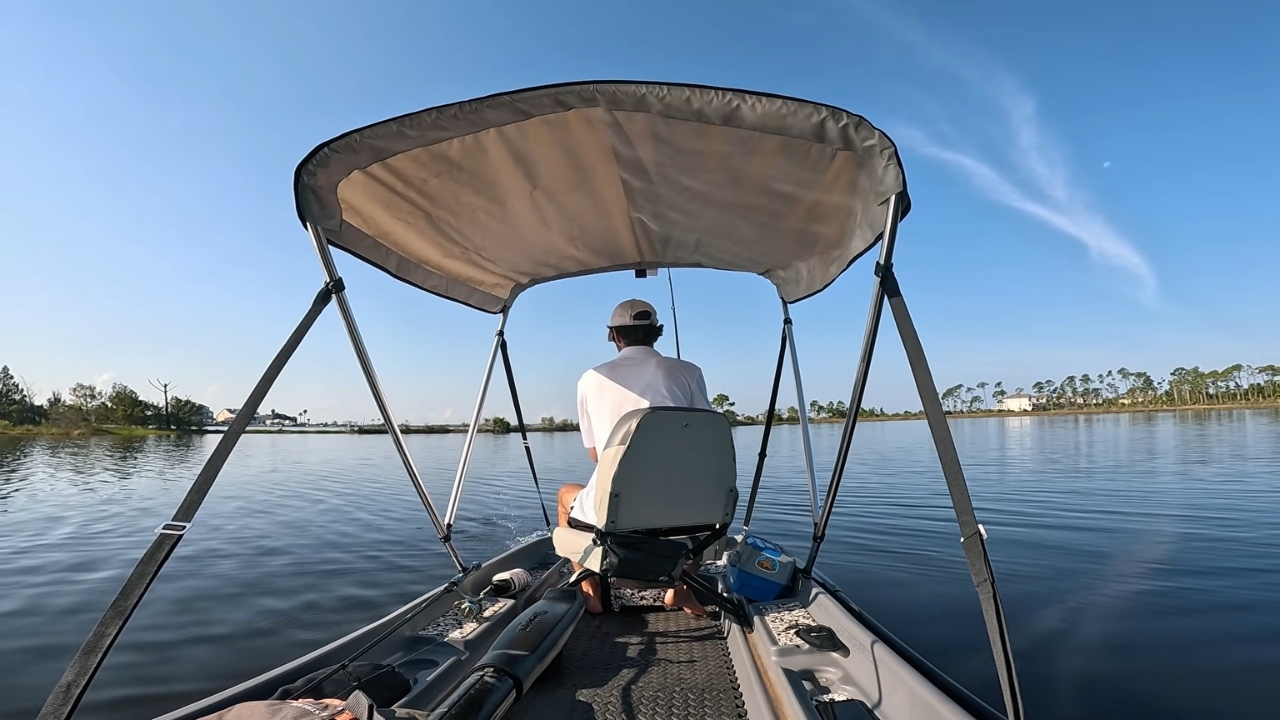
Best For
Potential Drawbacks
Closing Thoughts
