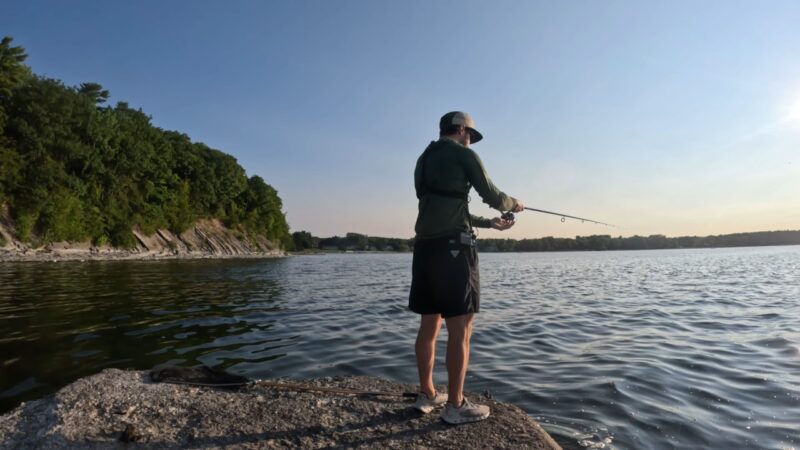

Lake Champlain stretches 120 miles along the New York and Vermont border, covers more than 400 square miles of water, and holds one of the strongest multi-species fisheries in the Northeast. Access stays simple.
No lottery system limits entry, no guide rule blocks independent anglers, and more than 500 miles of shoreline give shore casters, boat anglers, and kayak fishermen plenty of room to work.
Anglers come here for bass, salmon, lake trout, northern pike, perch, and a long list of warm-water species.
Moderate pressure also makes the lake easier to approach than many major fisheries with heavier crowds.
A careful plan matters, though, because such a long lake changes quickly by section, season, depth, wind, and target species.
Lake Champlain At a Glance
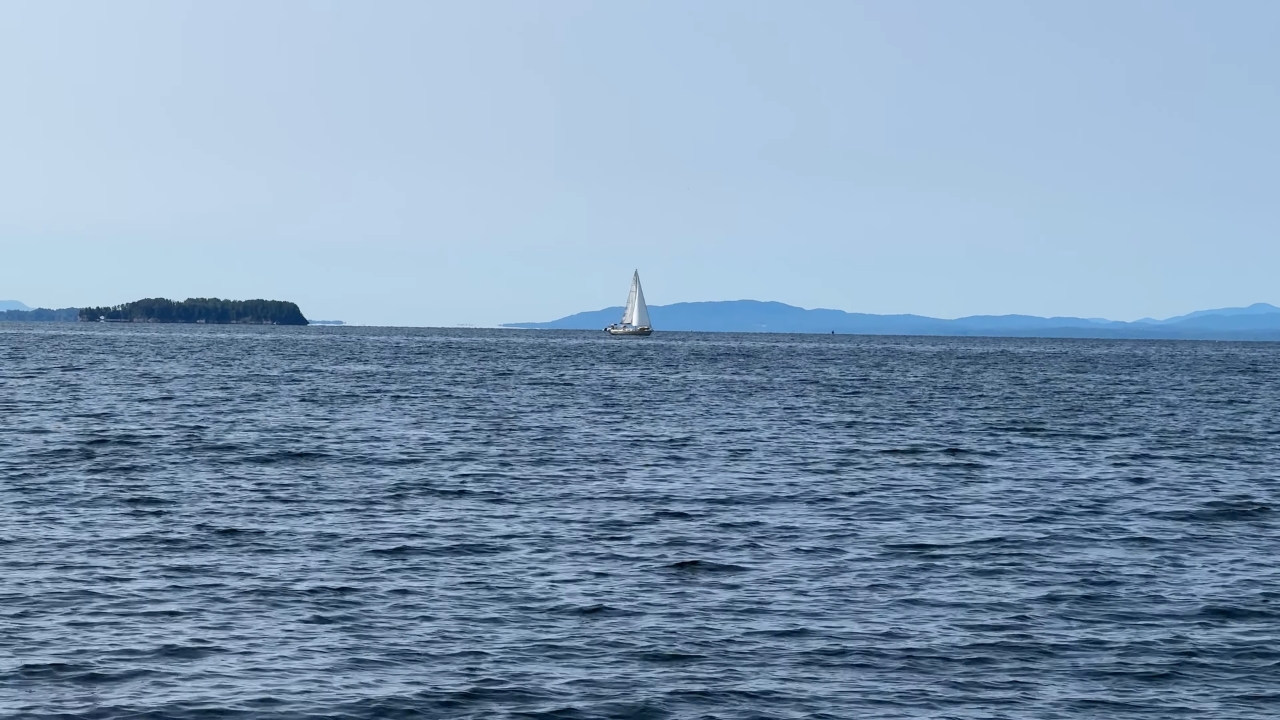
Lake Champlain gives anglers scale, access, and variety without requiring a complicated entry process.
Open access across two states makes it practical for weekend trips, tournament fishing, ice fishing, and longer multi-day outings.
- Length: 120 miles
- Surface area: 435 square miles
- Maximum depth: 400 feet
- Shoreline: 500 miles
- Fish species: 80 plus
Bassmaster consistently ranks Champlain among America’s top-five bass fisheries.
Landlocked Atlantic salmon fight hard in open water, northern pike hunt shallow weeds at trophy sizes, and yellow perch often school tightly enough to keep rods bending for hours.
Seasonal strength shifts by species, so anglers gain an advantage by matching targets to timing:
Season
Fishing Pattern
Spring
Bass, salmon, trout, and pike move into productive zones
Summer
Bass shift to structure, while pike and panfish often produce steady action
Fall
Salmon, trout, and bass return to peak patterns
Winter
Perch, pike, and lake trout carry the hardwater season
Champlain also compares well against other major U.S. fisheries because it has species variety, moderate pressure, and true four-season access.
Lake Erie has heavy pressure, Lake Okeechobee has no ice season, and Lake St. Clair sees heavier angling traffic.
Champlain gives anglers a broader seasonal plan without forcing them into one style of fishing.
Seasonal Fishing Calendar
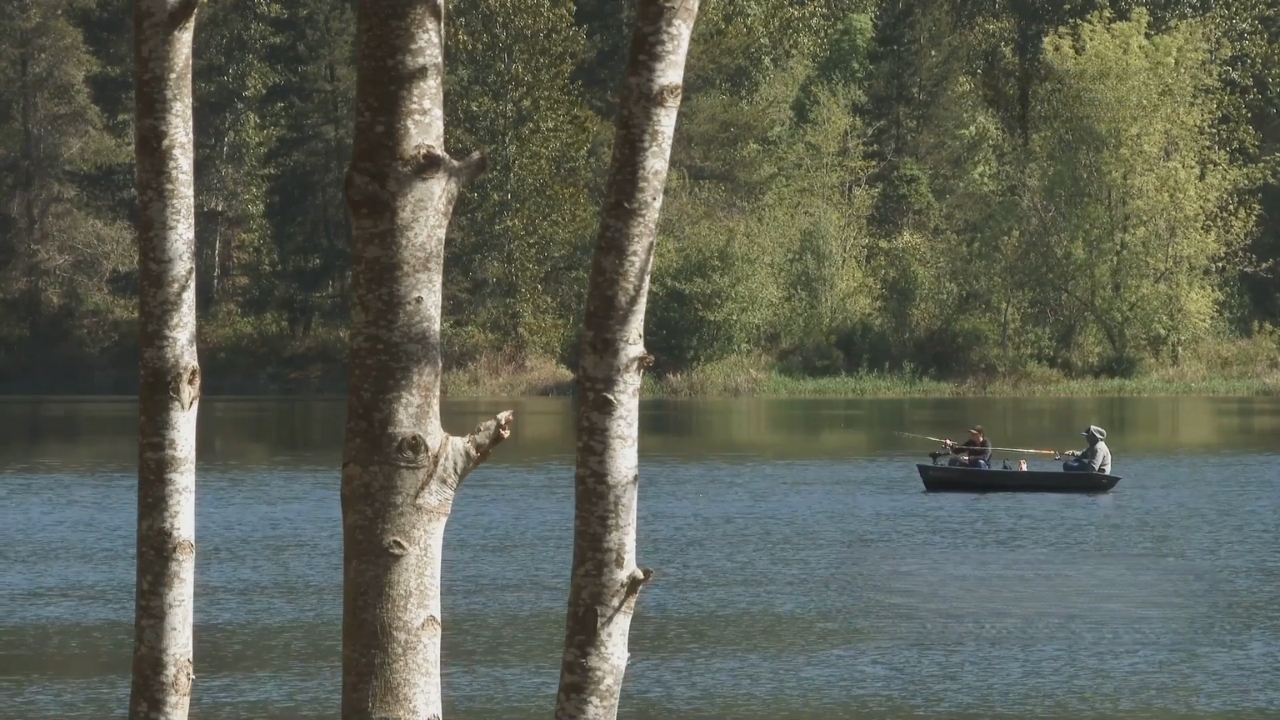
Now, let us go through the fishing calendar and see what can be expected in different parts of the year.
May Through June
Spring brings movement. Bass push shallow for spawning activity in May, salmon work closer to shore, and pike hold around shallow flats.
Salmon and trout fishing is also excellent during this window because cooler water keeps fish within easier reach.
Anglers planning spring trips should pay attention to water temperature and spawning behavior.
Shallow fish can be aggressive, but responsible handling matters when bass are guarding beds or salmon are near sensitive spawning patterns.
Summer
Summer fishing often requires more precise depth control.
Salmon and trout shift toward open-water trolling zones, bass settle around offshore structure, and warm-water species become more reliable in weeds and bays.
Best summer plans usually include early starts.
Morning light, lighter wind, and cooler surface temperatures help anglers locate feeding windows before boat traffic and heat build.
September Through November
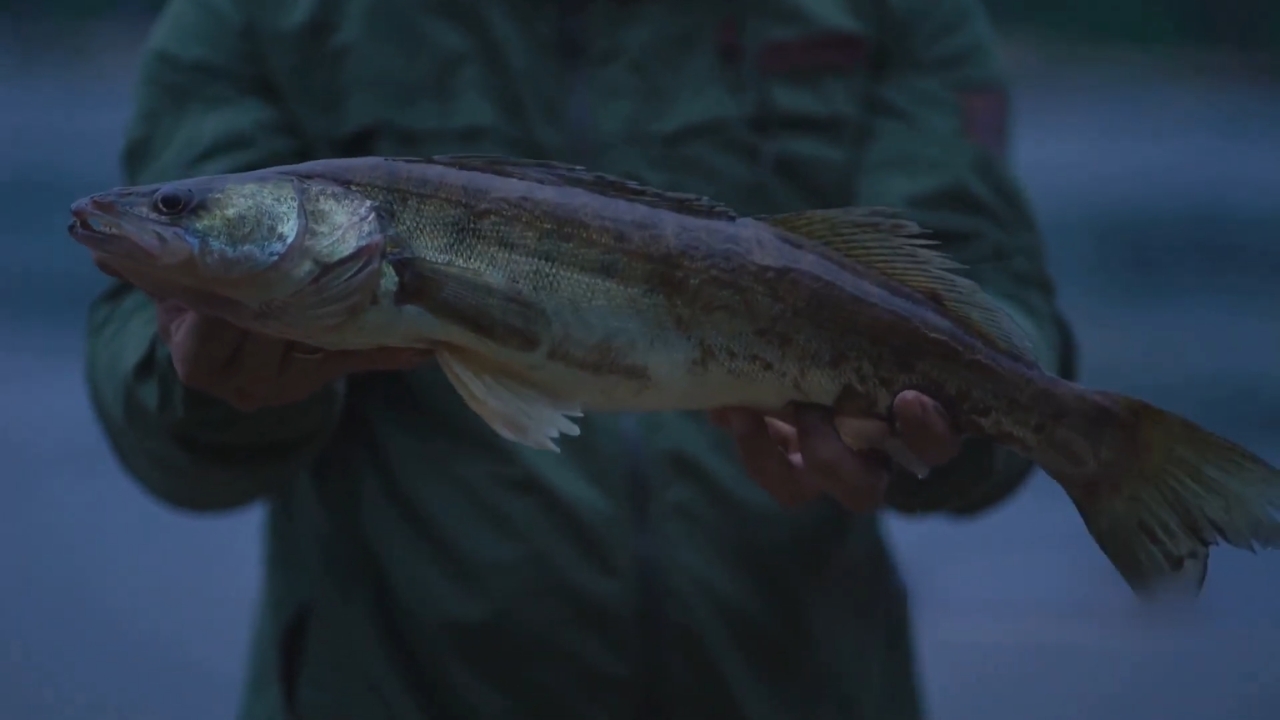
Fall is one of the strongest multi-species periods on Champlain.
Salmon stage for spawning runs, bass feed aggressively, and trout activity improves as water cools.
- Cooling water puts bait and predators closer together
- Salmon activity improves near staging areas
- Bass feed heavily before winter
- Crowds often ease after peak summer travel
- Larger fish become more willing to chase moving baits
September through November deserves special attention for landlocked salmon, while bass anglers also get one of the best windows of the year.
Winter
Ice fishing extends the season for hardwater anglers.
Yellow perch, northern pike, and lake trout stay active through February, although conditions vary greatly across a 120-mile lake.
Safety should guide every winter trip. Local ice reports, bait shops, and recent weather matter more than calendar dates.
Bays can lock up while main-lake areas stay unsafe, so checking local conditions before walking out is critical.
Winter ice fishing extends the season for hardwater anglers. Yellow perch, northern pike, and lake trout stay active through February, although conditions vary greatly across a 120-mile lake.
Safety should guide every winter trip. Local ice reports, bait shops, and recent weather matter more than calendar dates. Bays can lock up while main-lake areas stay unsafe, so checking local conditions before walking out is critical.
A portable power station for camping can also be useful for keeping phones, GPS units, lights, fishfinders, and emergency devices charged during long ice-fishing days or overnight trips.
Target Species
Now, let us go through the species that can be found in Lake Champlain.
Largemouth and Smallmouth Bass
Champlain has earned a reputation for big numbers and some of the largest bass in the Northeast.
Dozens of tournaments run on the lake each year, including Bassmaster Elite Series events, but recreational anglers still find productive water away from crowd-heavy areas.
Smallmouth bass are the signature bass species. Average fish run 2 to 4 pounds, while larger smallmouth regularly push past 5 pounds.
Rocky shoals, points, shorelines, drop-offs, and boulder fields in 8 to 25 feet of water hold many of the best fish.
Largemouth bass favor vegetation, sheltered bays, and weedy structure. Best largemouth action often runs north of Crown Point down toward the south of Port Henry, especially in warmer months.
- Tube jigs work well around rock and boulders
- Drop shots help when smallmouth hold lower in the water column
- Spinnerbaits cover weed edges and stained water quickly
- Crankbaits produce near drop-offs during low-light periods
- Live bait can work near weed beds when bass slow down
Dawn and dusk are prime windows. Use 15 to 20 lb braid for most bass situations, with fluorocarbon leaders when the water is clear or zebra mussels create abrasion issues.
Landlocked Atlantic Salmon
Landlocked Atlantic salmon provide some of Champlain’s most explosive fights.
Average fish run 3 to 5 pounds, and salmon over 8 pounds are caught each year.
Salmon location changes sharply by season. Spring and fall bring fish shallower, especially near shorelines, bait schools, and cooler water.
Summer pushes salmon into open-water zones where trolling gear becomes more important.
Key salmon conditions give anglers a clear starting point:
Factor
Recommendation
Best water temperature
50 to 65 degrees Fahrenheit
Prime season
September through November
Productive depth range
20 to 60 feet
Peak timing
Early morning and other low-light periods
Main forage clue
Smelt schools
A reliable tactic is finding smelt, then trolling smelt-imitation plugs, spoons, or flies through nearby water.
Lead-core trolling is one of the primary salmon methods on Champlain, while downriggers help during summer when fish suspend away from shorelines.
Lake Trout
View this post on Instagram
Lake trout are cold-water predators that hold in colder basin water through much of the year.
Champlain’s center section, especially between Port Henry and Cumberland Head, has some of the best lake trout water because of its depth.
Expect lake trout in 40 to 100-plus feet of water, depending on temperature, bait location, and season.
Downrigger trolling, vertical jigging with spoons, and live bait rigs can all produce when fish are marked properly.
Gear needs to handle depth, abrasion, and powerful fish. Use 20 to 30 lb braid, check leaders often, and bring equipment built for trolling or vertical presentations.
Mornings often produce the best bites, especially when baitfish activity is high.
Northern Pike
Northern pike are ambush predators that favor weeds, shallow flats, and vegetation edges.
Many productive pike areas sit in 3 to 12 feet of water, especially around bays and flats with nearby escape cover.
Fish over 40 inches are caught each season.
Pike also stay active through more of the day than many other Champlain species, giving anglers a wider window to target them.
- 30 to 50 lb braid for main line strength
- Wire leaders for maximum bite resistance
- Heavy fluorocarbon leaders when clearer water calls for stealth
- Spinnerbaits for covering weeds
- Large swimbaits for trophy-sized fish
- Tip-ups with dead bait during ice season
Standard leader material can fail quickly against pike teeth, so wire or heavy fluorocarbon should be treated as required gear.
Warm-Water and Other Species
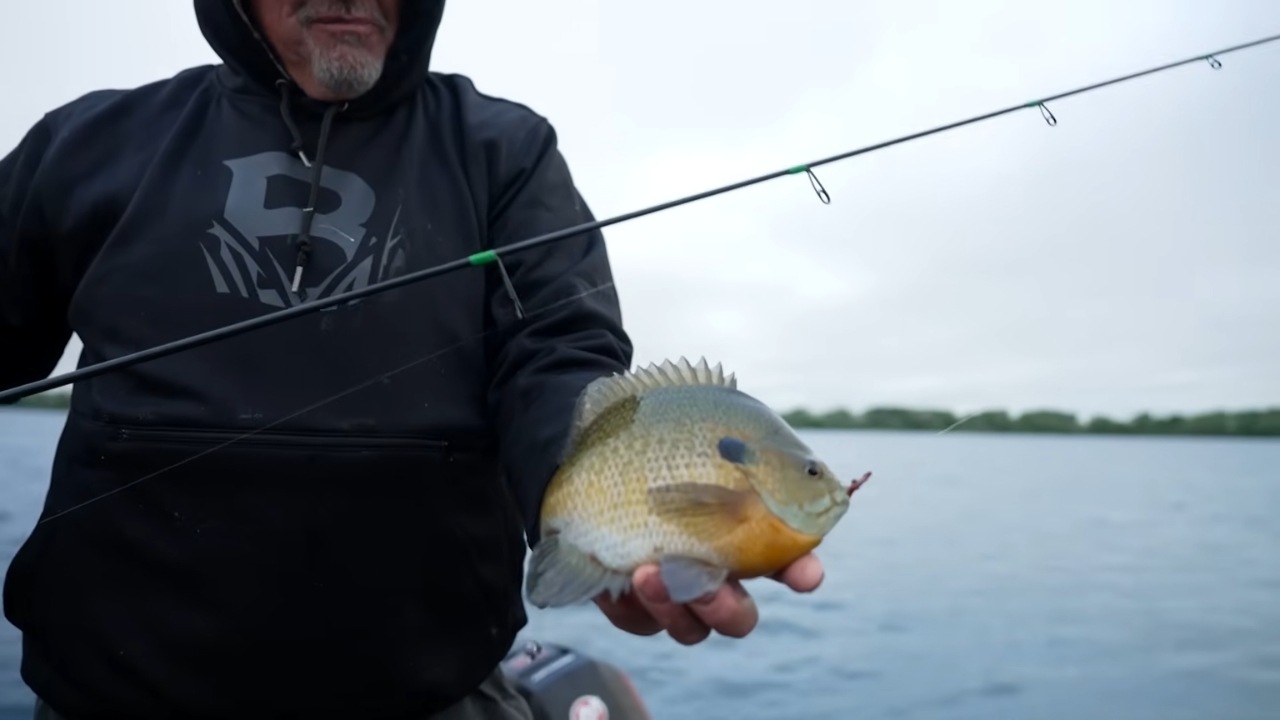
Champlain also holds walleye, yellow perch, bluegill, crappie, common carp, bowfin, and a growing musky population.
Weedy bays, submerged structure, rocky humps, and shallow flats with nearby depth attract both prey and predators.
Yellow perch are a major draw for open-water and ice anglers.
Schools often hold over rocky humps and weed edges in 15 to 35 feet of water.
Small jigs tipped with worms or minnows work throughout the year, and ice fishing for perch can produce fast action when schools settle under safe ice.
Walleye are present, but more challenging.
Populations have improved in recent years, yet walleye should still be treated as a bonus target rather than the main reason for most trips.
Low-light periods are best, especially around structure, drop-offs, jig-and-minnow setups, crawler harnesses, and trolled crankbaits.
Shore Fishing Spots and Boat Launches
Lake Champlain rewards anglers who match access point to target species.
Shoreline anglers can work rocky points, weed edges, bridge areas, and bays, while boat anglers can reach offshore structure, trolling lanes, and colder basin water.
Rocky points and boulder fields in 8 to 25 feet are prime smallmouth areas.
Largemouth, pike, and panfish gather around weedy bays, submerged structure, and shallow flats with nearby depth.
Salmon and lake trout concentrate around the colder center portion between Port Henry and Cumberland Head, especially near major drop-offs and oxygenated water.
Key launches help anglers plan efficient access:
Boat Launch
Location
Best For
Bulwagga Bay
Whitehall, NY
Bass, pike, and panfish
Button Bay State Park
Vergennes, VT
Salmon trolling and structure fishing
Chipman Point Marina
Orwell, VT
Northern pike and bass
Point Au Roche
Beekmantown, NY
Salmon and lake trout
Willsboro Bay Boat Launch
Willsboro, NY
Kayaks, canoes, and larger fishing boats
Port Henry Boat Launch
Port Henry, NY
Southern lake access
Ticonderoga Boat Launch
Ticonderoga, NY
Northern reaches, islands, and coves
NYS DEC Crown Point Boat Launch
Crown Point, NY
Lake Champlain Bridge area
Monitor Bay Boat Launch
Crown Point, NY
Public lake access
Arrive before 6 AM on peak-season weekends. Popular access points such as Button Bay and Point Au Roche can fill quickly.
Licenses and Regulations
Lake Champlain has a reciprocal license setup that keeps access simple.
Vermont residents can fish on Lake Champlain with a Vermont license.
New York residents can use a New York license. Non-residents can choose either a state license and fish anywhere on the lake.
Digital licenses are available through each state’s fish and wildlife agency and usually process instantly.
Annual licenses generally cost about $25 to $35 for residents and about $50 to $65 for non-residents.
Several core rules matter before planning a harvest:
Species
Season
Daily Limit
Minimum Size
Bass
Year-round
5 fish
12 inches
Landlocked salmon
April 1 through October 31
3 fish
15 inches
Northern pike
May 1 through March 15
5 fish
18 inches
Lake trout
Year-round
3 fish
18 inches
Always verify current rules with Vermont Fish and Wildlife or New York DEC before fishing.
Regulations can change between seasons, and special waterbody rules may apply.
Closing Thoughts
@bassuniversity Lake Champlain is one of the greatest lakes on earth. This seminar on Bass University highlights some magical spots on the lake and a secret power finesse lure that Pete loves! #fyp #fishing #bassfishing #fishtok #fish ♬ original sound – Bass University
Lake Champlain offers open access, year-round fishing, and strong action for bass, salmon, lake trout, pike, and panfish.
Best results come from matching target species to season, structure, depth, and gear.
Check current regulations before fishing, watch local conditions, and handle fish responsibly to protect the lake’s long-term quality.
