
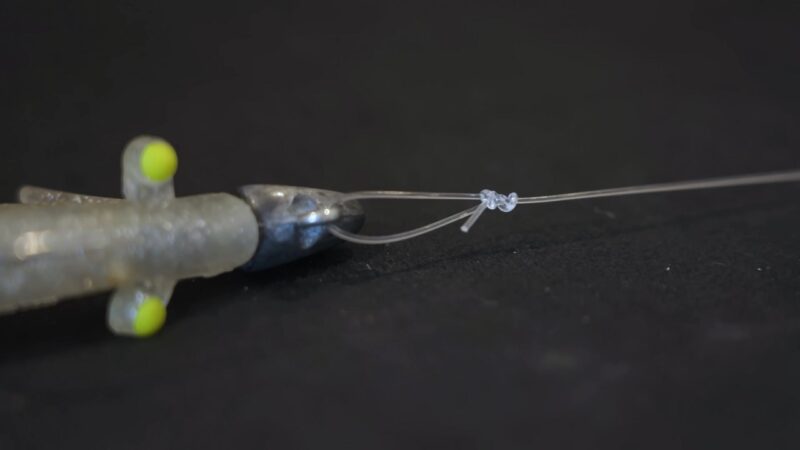

A well-tied fishing knot matters as much as a sharp hook and solid line choice.
Lost fish often trace back to knot failure caused by slippage, heat damage, or careless tying.
Strong knots do not come out of a package. Skill and repetition create strength.
But before you can improve your skills, learning the ropes is an absolute must, right?
Let us talk about it in greater detail.
Knot Basics for Beginners
Solid knots start with knowing why failures happen and how pressure travels through the line.
Beginners often focus on steps without noticing what occurs inside the coils once a fish pulls hard.
Attention to mechanics, materials, and habits turns simple knots into reliable connections.
Why Knots Fail
Most knot failures happen long before a fish bites. Small mistakes compound under tension and reveal themselves only at the worst moment.
Slippage occurs when coils never grip the standing line firmly and slowly unwind as pressure increases.
Clear warning signs often appear after a break.
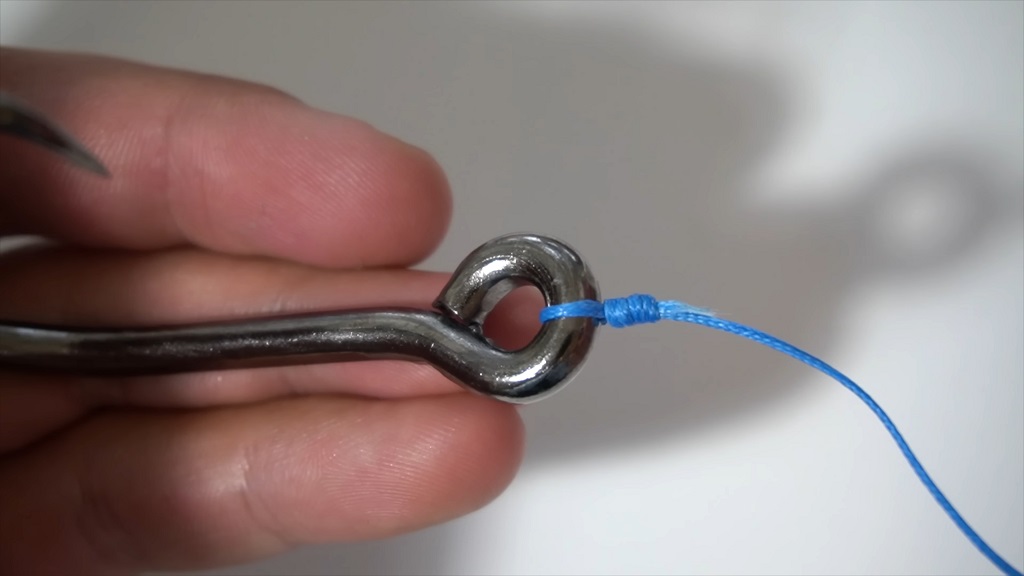
Key causes show up repeatedly:
- Curly pigtail ends after failure, signaling slippage instead of a clean snap
- Smooth, glossy sections on monofilament or fluorocarbon caused by heat buildup
- Uneven or crossed wraps that cut into neighboring strands under load
Friction burn remains one of the most common problems. Monofilament and fluorocarbon soften quickly when tightened dry and fast.
Heat forms inside the knot, weakening the line that still looks intact. Poor construction adds another layer of risk.
Too few turns reduce surface contact, while crossed strands behave like blades once pressure spikes.
Even familiar everyday knots can cut line strength in half when tied carelessly.
Knot Anatomy and Behavior
Strong knots manage force instead of fighting it.
Pressure should spread evenly across multiple wraps so no single point absorbs the full load.
Properly seated coils grip smoothly and stay aligned once tension increases.
Load moves gradually along the knot instead of hinging sharply at one bend.
Material choice changes behavior significantly. Braided line demands special attention because slick fibers resist biting into themselves.
Extra turns increase friction and help wraps lock in place. Many reliable braid knots share similar traits:
- Eight or more wraps to increase surface contact
- Symmetrical coils that tighten evenly
- Minimal shape change once fully loaded
Well-built knots remain stable during a fight. Shape stays consistent instead of collapsing or elongating, showing that the structure holds under strain.
Good Knot Tying Habits
Habits matter as much as knot choice. Small details decide success long before pressure hits. Moisture plays a major role.
Lubrication reduces heat and allows wraps to slide smoothly into position. Saliva works well and stays practical on the water.
Careful pacing also improves results. Slow tightening lets coils stack neatly instead of twisting over one another.
Tag ends should never be trimmed flush. Extra length provides insurance if minor slipping occurs.
A final step separates reliable anglers from frustrated ones. Testing exposes weakness immediately:
- Firm pulls simulate sudden strikes
- Steady pressure reveals hidden slippage
- Early failure saves time and lost fish later
Essential Knots That Beginners Can Trust
Confidence grows fastest by mastering knots that perform well across many situations.
For gear reviews and tips that complement your knot-tying experience, check out sources like Fishing Gear Insider, where beginners and pros alike find reliable advice on rods, reels, and more.
1. Uni Knot
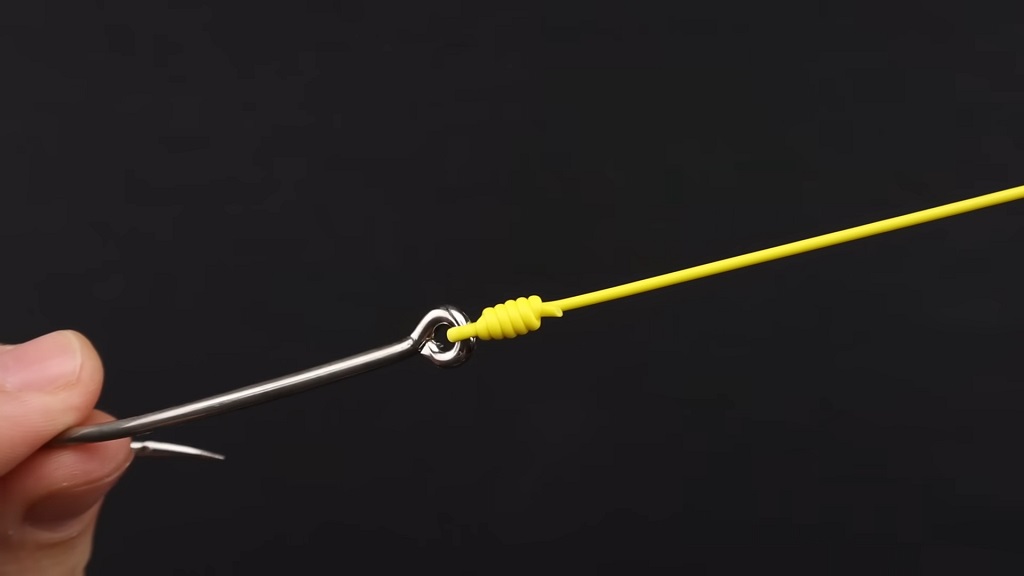
Wide application makes this knot a staple. Use works well with lures, hooks, swivels, and even line-to-line connections.
Compatibility spans monofilament, fluorocarbon, and braid.
Compact design spreads tension evenly and resists slipping under load. Loop variations expand their usefulness without adding complexity.
2. Palomar Knot

Directness defines this knot. Ideal use includes hooks, lures, and swivels, especially with braided line.
Double line construction preserves nearly all original line strength.
A few steps make it reliable during cold weather or low-light conditions.
3. Improved Clinch Knot
Speed attracts beginners to this knot. Typical use involves flies and small lures tied to monofilament or light fluorocarbon. Ease comes at a cost.
Strength falls behind several alternatives, especially under sustained pressure. Breakage often occurs earlier during hard fights.
4. Pitzen Knot
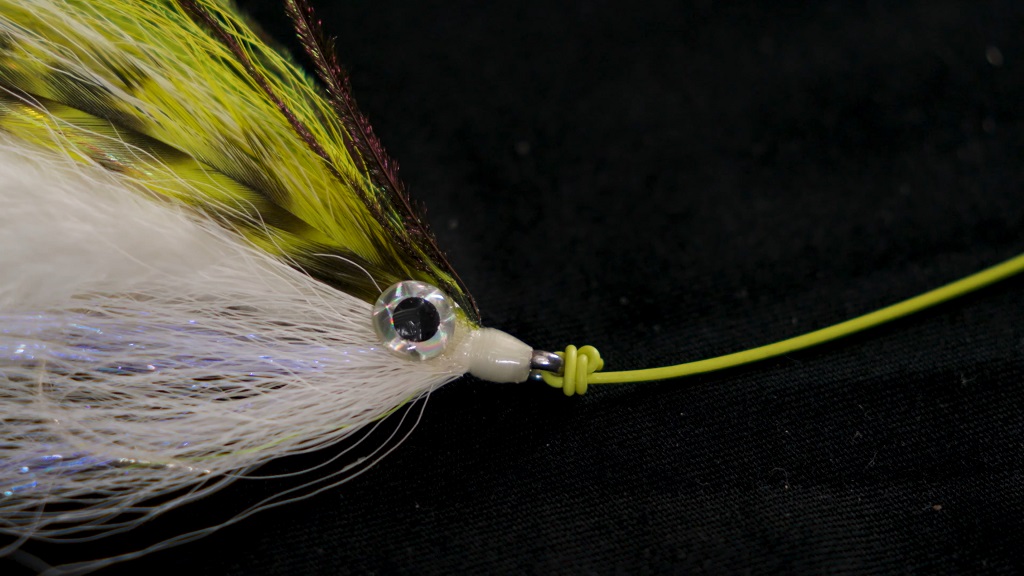
Precision suits light tippet and small hooks. Compact shape and high strength retention improve performance with finesse setups.
Light lines benefit because coils seat cleanly without unnecessary bulk. Many anglers replace clinch styles with this knot after seeing the difference.
5. Snell Knot
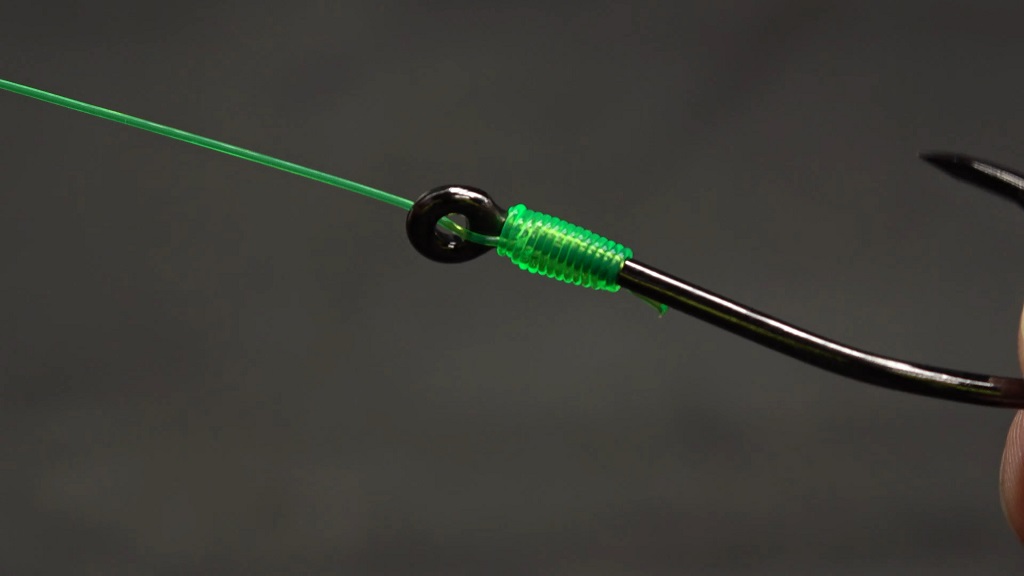
Straight line pull defines this knot’s advantage. Primary use centers on bait fishing and hook to line connections.
Force aligns along the hook shank instead of bending around an eye, improving penetration and strength.
Eyeless hooks inspired its design, yet eyed hooks still gain clear benefits.
6. Trilene Knot
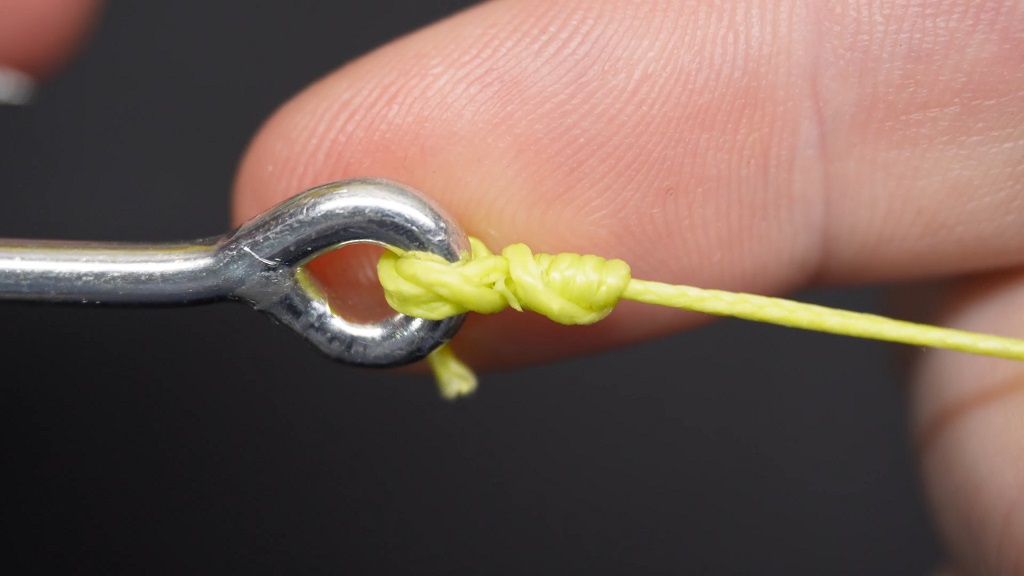
Extra security sets this knot apart. Suitable use includes hooks, swivels, and lures tied with monofilament or fluorocarbon.
An additional wrap increases friction and reduces slipping.
Simple structure keeps it easy to learn while offering better strength than standard clinch styles.
7. Orvis Knot
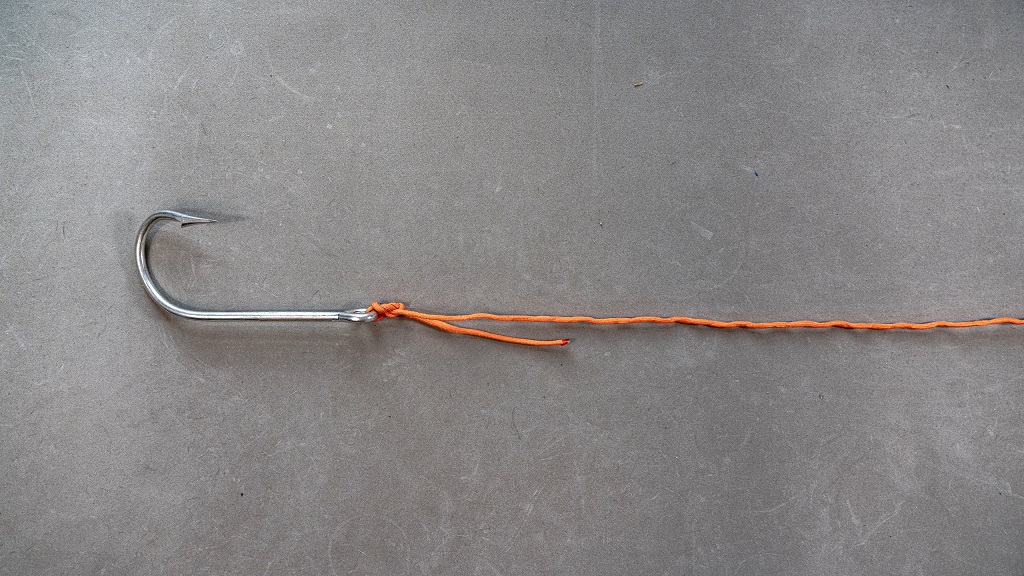
Fly fishing setups benefit greatly here.
Small flies and tippets tie cleanly without excess bulk. Steps remain simple while strength holds across all common line types.
Neat seating supports natural presentations in clear water.
8. Lefty’s Loop or No Slip Loop Knot
Motion matters for certain lures. Streamers and moving baits gain freedom with a fixed loop that does not cinch tight. Strength remains high when tied correctly.
Heavier monofilament or fluorocarbon performs best and often improves lure action noticeably.
9. Surgeon’s Loop and Dropper Loop
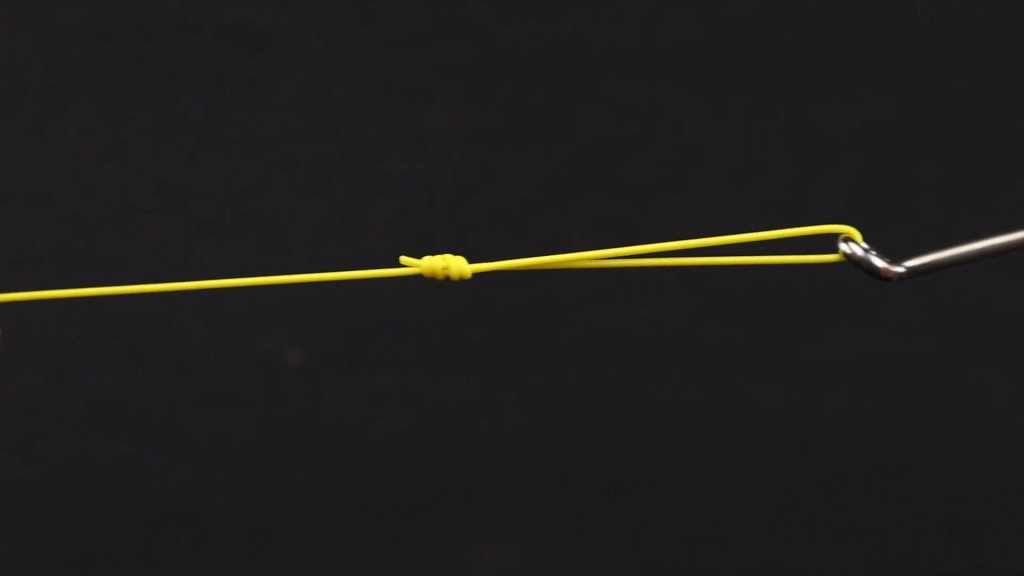
Speed and reliability drive popularity. Common uses include adding:
- Droppers
- Leaders
- Sinkers
Correct turns and lubrication maintain strength. Loop construction works well across all line types and stays easy to tie in rough conditions.
Joining Lines Under Pressure
Line connections face constant stress and must slide smoothly through guides.
Proper knots reduce weak points and maintain casting efficiency.
Double Uni Knot

Balanced construction suits lines of similar diameter and strength.
Braid-to-monofilament connections hold reliably, as do custom leader builds.
Simplicity keeps it dependable in many scenarios.
Albright Knot
Different line diameters demand a different approach. Compact profile passes cleanly through guides and handles stiff materials well.
Careful tying proves essential. Sloppy wraps lead to failure, while clean construction delivers impressive strength.
Knot Selection Based on Conditions
Conditions change performance as much as technique. Line type and fishing style both influence knot choice.
By Line Type
Braid requires extra turns to prevent slipping, making Palomar and Uni knots strong options.
Fluorocarbon melts easily under friction, so slow tightening and lubrication matter greatly.
Monofilament forgives mistakes yet still loses strength with weak knots like overhand styles.
By Fishing Style
Fly fishing setups rely heavily on Turle, Pitzen, Orvis, and Surgeon’s knots for clean presentations.
Bait fishing favors Snell, Trilene, and Uni knots for solid hook sets.
Lure fishing benefits through Palomar knots for strength and loop knots for improved action.
Summary
Control over fish behavior never exists, yet control over knots always does.
Mastery of three to five dependable knots boosts landing ratios more than new gear ever will.
The right knot choice, combined with careful tying, keeps the line connected when pressure peaks.
Skill at the knot remains the most critical link between angler and fish.