
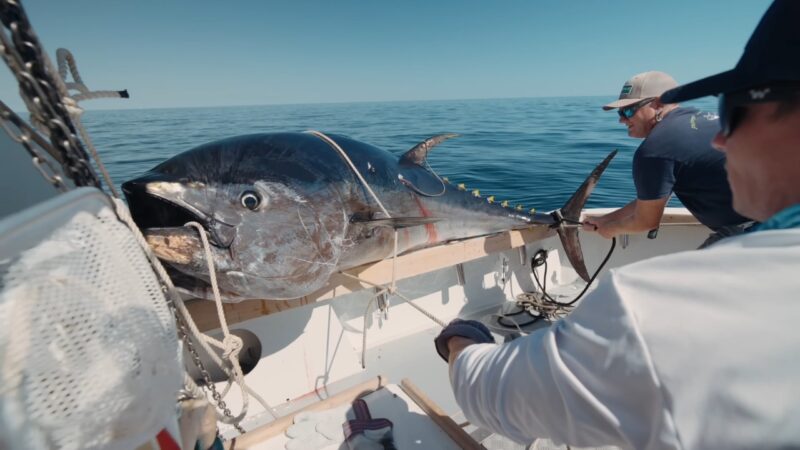

Bluefin tuna punish vague planning. They move fast, feed hard, change depth without warning, and expose weak tackle in seconds. A good trip starts before the boat leaves the dock: know the region, watch the forage, match the gear to the size class, and check current rules before any fish goes in the box.
Bluefin also sit under tighter management than many offshore species. Atlantic, Pacific, and southern bluefin fisheries are all managed across borders because the fish travel huge distances and cross national waters.
Atlantic bluefin is a highly migratory fish that can move thousands of miles, while Pacific bluefin may cross the Pacific in as little as 55 days.
Why Bluefin Tuna Are Different From Other Tuna
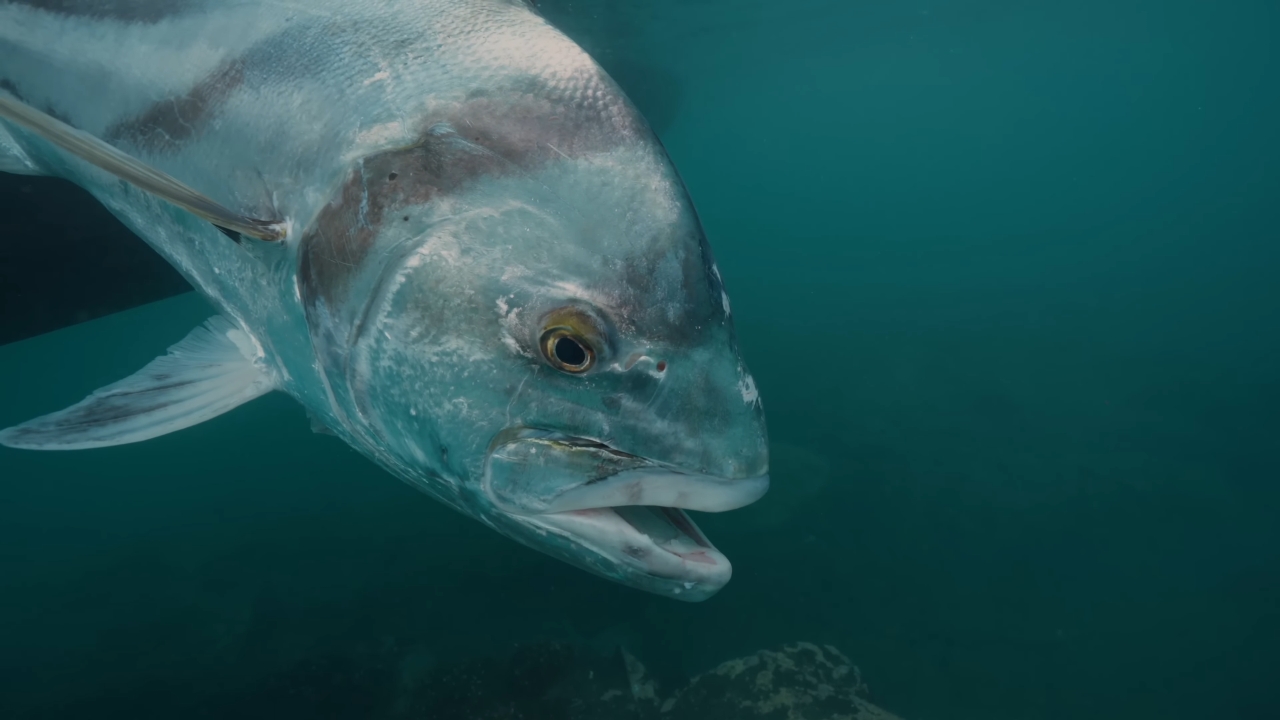
Bluefin are built for range and power. Atlantic bluefin can reach 13 feet and around 2,000 pounds, making them the largest tuna species.
They feed on baitfish such as herring, mackerel, bluefish, and squid, which explains why anglers spend so much time watching bait schools, bird behavior, temperature breaks, and current edges.
They also live longer and mature more slowly than many tunas. NOAA notes that Atlantic bluefin can live 20 years or more and often do not spawn until around age 8. Pacific bluefin mature earlier, around age 5, and can live up to 26 years.
Slow maturity means poor harvest discipline can hurt future recruitment, which is why permits, size classes, quotas, and reporting rules matter.
Where To Find Bluefin Tuna
Bluefin locations shift by ocean basin, season, bait, and water temperature. A productive area in June can go quiet in a few days if bait scatters or warm water slides away.
Region
Common Bluefin Type
Productive Fishing Pattern
Typical Approach
Northeast U.S. and Mid-Atlantic
Atlantic bluefin
Shelf edges, banks, bait concentrations, temperature breaks
Trolling, casting, jigging, live bait, chunking
Mediterranean and Eastern Atlantic
Atlantic bluefin
Migration routes, spawning season zones, deep offshore structure
Trolling, drifting, live bait where legal
Southern California and Baja
Pacific bluefin
Offshore banks, foamers, sonar marks, bait balls
Fly-line bait, sinker rigs, casting, jigging
New Zealand, Australia, South Africa
Southern bluefin
Cold temperate offshore waters, current lines, bait-heavy zones
Trolling, chunking, live bait, jigging
Atlantic Bluefin Hot Zones
In the western Atlantic, anglers often focus on the Gulf of Maine, Cape Cod waters, Stellwagen Bank, Georges Bank, the canyons off New Jersey and New York, and the Outer Banks when conditions line up.
Atlantic bluefin live near the surface in temperate waters but can also drop to 500 to 1,000 meters, so surface signs alone never tell the whole story.
View this post on Instagram
Spawning knowledge has also changed. NOAA reported in March 2026 that larval and reproductive sampling from 1955 through 2021 points to a broader western Atlantic spawning distribution, from the Northwest Caribbean to the Slope Sea. That work examined more than 35,000 plankton tows and nearly 5,000 tuna larvae.
For anglers, the lesson is simple: fish may appear farther along migration corridors than old assumptions suggested. Still, spawning grounds are not open invitations.
Some areas have strict rules, and NOAA does not allow directed bluefin fishing in the Gulf area named in current federal materials as the Gulf of America. NOAA also states that the federal renaming did not change the reach or enforceability of existing rules.
Pacific Bluefin Hot Zones
Pacific bluefin fishing on the U.S. West Coast centers heavily on Southern California and northern Baja patterns. San Diego boats often run toward offshore banks, temperature breaks, kelp-adjacent bait zones, and sonar marks that may sit far below visible surface life.
Pacific bluefin have the largest geographic range among tunas, mainly living in temperate Pacific waters while also using tropical and cooler coastal areas.
The U.S. landings on the West Coast often involve fish that have moved from western Pacific spawning grounds to waters off Baja California and the United States, where they feed on squid, sardines, saury, and herring.
Southern Bluefin Areas
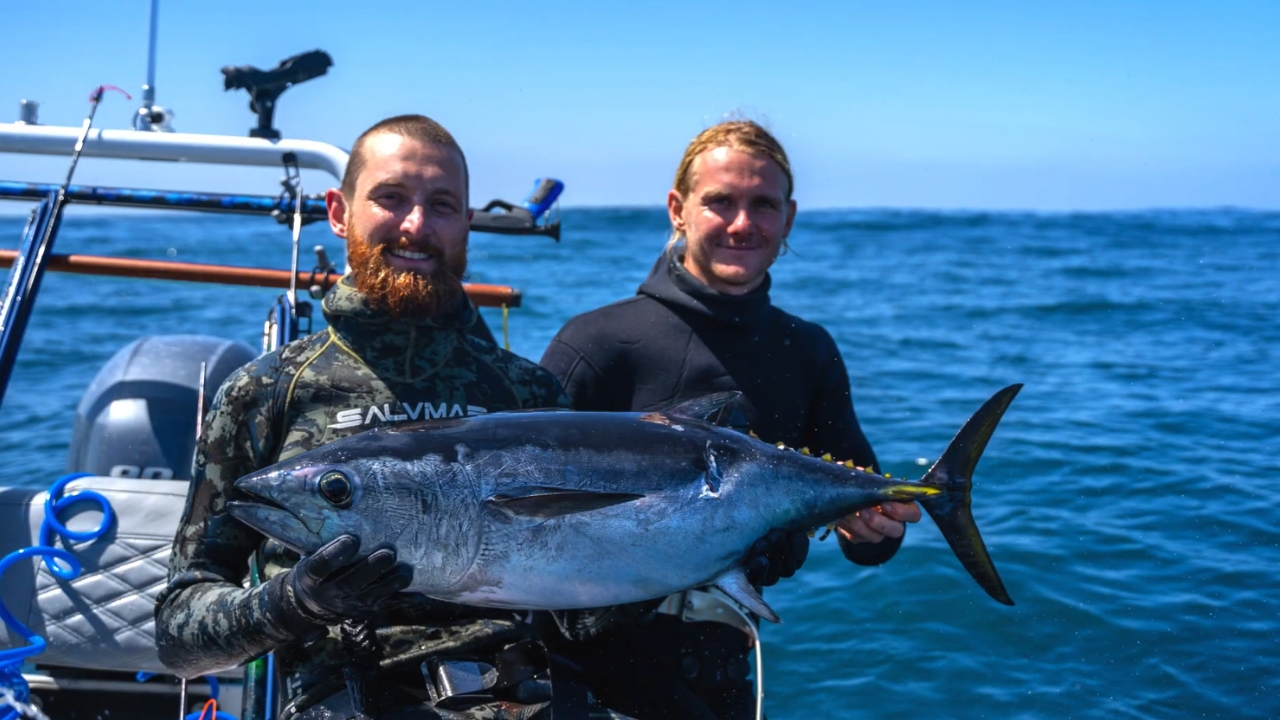
Southern bluefin are a different species, Thunnus maccoyii, and belong to southern hemisphere fisheries. CCSBT says they occur mainly between 30 and 50 degrees south, with the only known breeding area in the Indian Ocean southeast of Java, Indonesia. They can exceed 200 kilograms and live up to 40 years.
For recreational anglers, New Zealand, South Australia, Tasmania, and parts of South Africa draw serious attention. Local rules vary heavily, so check national and regional fisheries pages before planning a trip.
What Conditions Put Bluefin Within Reach
Bluefin fishing improves when several signals overlap. One sign rarely gives enough confidence.
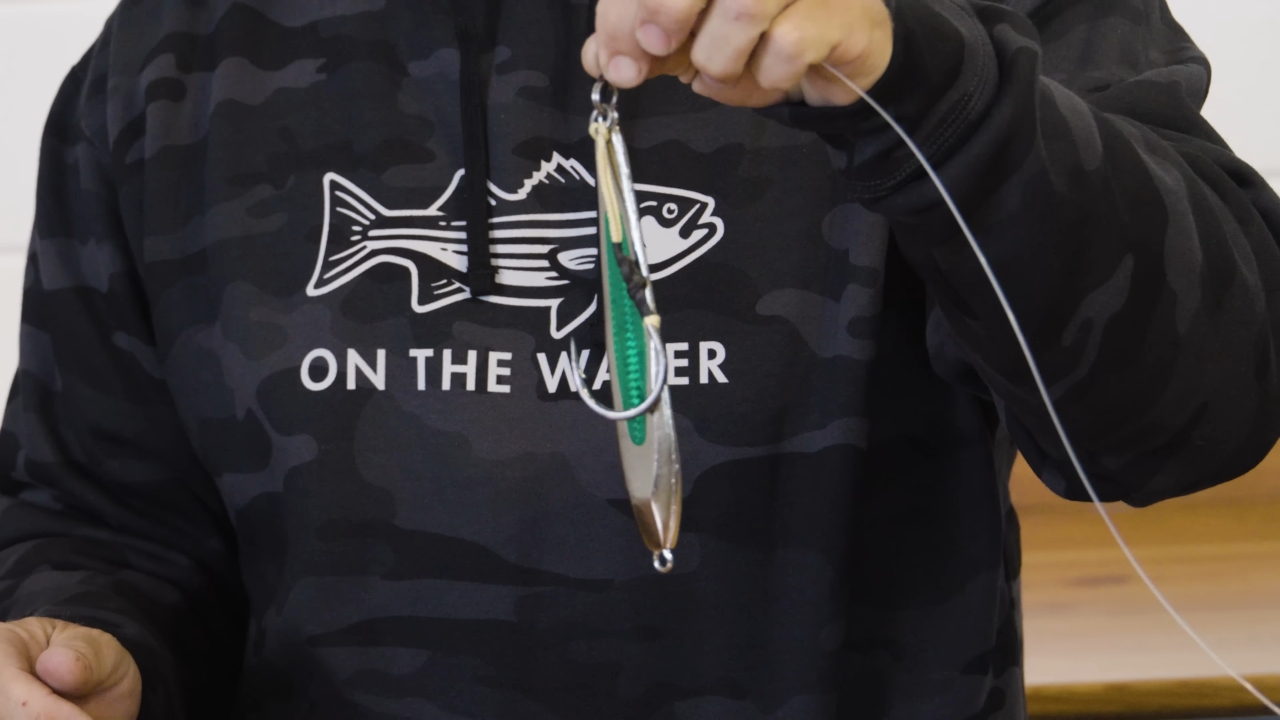
On the Atlantic side, herring, mackerel, sand eels, butterfish, and squid often matter. On the Pacific side, sardines, anchovies, squid, and saury can set the tone. Match the lure profile and presentation to the bait. A 10-inch spreader bar may draw bites during a sand eel feed, while a live sardine or small knife jig may beat everything when Pacific fish are keyed on compact forage. Gear depends on fish size. A 40-pound school bluefin and a 600-pound giant demand different outfits, leaders, hooks, and fighting techniques. Casting gear shines when fish are feeding on top, especially around foamers, breaking fish, or tuna pushing bait near the surface. A practical setup: For school fish, lighter leaders may get more bites. Around larger tuna, do not get cute. Heavy drag, long runs, and tail beats near the boat can destroy weak knots. Jigging works when bluefin mark deep or refuse surface offerings. Pacific bluefin anglers often rely on heavy knife jigs at night. Atlantic anglers use jigs when fish pin bait at depth or suspend under marks. A dependable jigging outfit: Glow jigs can help during night fishing. In daylight, profile, sink rate, and staying vertical often matter more than color. Trolling remains a classic Atlantic bluefin method, especially over banks, edges, and productive lanes. Common trolling gear: Large bluefin can hit like a truck. Keep the drags set carefully, clear the spread fast, and avoid high-sticking at the boat. Chunking and live bait fishing reward patience. The goal is to build a natural feed line, then hide a hooked bait inside it. A strong bait setup: Circle hooks help with corner-of-mouth hookups and cleaner releases when fish are short, out of season, or beyond the boat’s plan. Bluefin regulations change often. In U.S. Atlantic waters, NOAA’s page updated May 6, 2026, lists the recreational limit for 27-inch to under-73-inch Atlantic bluefin as 1 fish per vessel per day or trip for HMS Angling, charter, and headboat categories. Fish under 27 inches are not allowed, and trophy rules vary by region. NOAA also requires vessel owners to hold an HMS Angling or HMS Charter/Headboat permit for recreational bluefin harvest in federal waters and in most state waters. Management has moved in a more optimistic direction, but not toward a free-for-all. ICCAT set 2026 to 2028 total allowable catches at 3,081.6 metric tons for western Atlantic bluefin and 48,403 metric tons for eastern Atlantic bluefin, increases of 13% and 19.3%, respectively. NOAA also said the 2026 implementation of the higher U.S. Atlantic bluefin quota would raise the Angling category quota by nearly 100,000 pounds. Pacific bluefin has also improved. NOAA says the 2024 assessment found Pacific bluefin not overfished and not subject to overfishing, while WCPFC described the stock as strongly rebounded under tighter rules. U.S. Pacific commercial limits for 2025 to 2026 are set under a biennial catch limit of 1,872.85 metric tons, with no more than 1,285 metric tons in a single year. A bluefin at the boat can still hurt someone. Keep hands away from leaders under load, never wrap line around a hand, and use a proper harpoon, gaff, tail rope, or release tool based on fish size and legal status. For retained fish, bleed quickly, core the spinal cord where practiced, pack the body with ice, and keep the flesh cold. Bluefin quality falls fast when a hot fish lies on deck. A smaller tuna handled well often eats better than a larger fish treated poorly. For release, keep the fish in the water when possible. Revive it boatside, keep the boat moving slowly ahead, and avoid dragging a tired fish backward. Bluefin tuna fishing rewards preparation more than luck. Find bait, respect water movement, bring gear heavy enough for the fish in front of you, and check current rules before leaving the dock. The best anglers combine patience with discipline, because bluefin expose shortcuts fast.
Gear For Bluefin Tuna Fishing
Offshore tuna gear starts with tackle, but boat reliability belongs in the same conversation; clean fuel flow, good cooling, and dependable boat motor parts matter when fish are far from the dock.Spinning And Casting Setups
Jigging Setups
Trolling Setups
Chunking and Live Bait Setups
Rules Every Angler Should Check Before Fishing
Handling, Safety, And Fish Care
Final Takeaway